
Novedades
El enlace ha sido copiado al portapapeles.Noviembre 19, 2018
Colombia se Posiciona Como el Cuarto País Donde se Realizan más Cirugías Plásticas
Tras un estudio llevado a cabo en Miami, la Sociedad Internacional de Cirugía Plástica Estética (ISAPS) anunció que Colombia es el cuarto país donde se realizan más cirugías plásticas.
Leer más
Categoría: Cirugía Plástica en Colombia
Julio 23, 2018
Dr. Nelson Chaves: Entre los Mejores Cirujanos Plásticos de Colombia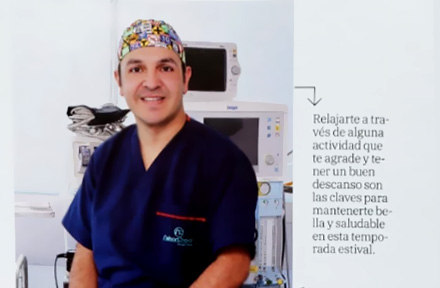
La revista Aló considera al Dr. Nelson Chaves como uno de los mejores cirujanos plásticos en Colombia gracias a la impecable labor que ha llevado desde hace más de 15 años, en cuanto a mejorar y corregir el cuerpo de sus pacientes.
Leer más
Categoría: Cirugía Plástica en Colombia
Mayo 03, 2017
Corte Colombiana Permite Cirugías Plásticas Desde los 14 años con Permiso de Padres
El pasado mes de abril, la Corte Constitucional de Colombia eliminó la prohibición de cirugías plásticas en jóvenes a partir de los 14 años y ahora permite que los menores de edad puedan someterse a intervenciones estéticas con el permiso de sus padres.
...
Leer más
Categoría: Cirugía Plástica en Colombia
Agosto 04, 2016
Colombia prohíbe las cirugías estéticas en menores de edad
En Colombia está prohibido realizar cirugías estéticas en menores de edad de acuerdo con la Ley 1799 del 25 de julio del presente año, sancionada por el presidente Juan Manuel Santos; por lo tanto, un cirujano plástico en Colombia legalmente no puede realiz...
Leer más
Categoría: Cirugía Plástica en Colombia
Mayo 13, 2016
Nuevas instalaciones, más servicios
Seguimos creciendo para ti.
Desde hace algunos meses, cambiamos las instalaciones de nuestro consultorio de cirugía plástica para ofrecerles una mejor atención a nuestros antiguos y nuevos pacientes que buscan un procedimiento de cirugía estética. Esto ...
Leer más
Categoría: Mis Servicios
Mayo 13, 2016
Tres procedimientos, una sola cirugía
Para aquellas pacientes que desean arreglar las alteraciones en su cuerpo en una sola cirugía estética, realizo un procedimiento que les proporciona el cambio que están buscando.
En muchos casos, sobretodo en pacientes que ya han tenido embarazos, exis...
Leer más
Categoría: Cirugía de Abdomen
Mayo 13, 2016
Mamoplastia de aumento, cada día más confiable
El primer reporte de una cirugía de aumento de senos data del año 1895, en ese entonces se utilizaban acúmulos de grasa de otras partes del cuerpo del mismo paciente para ser colocadas en los senos. Los implantes de gel de silicona se empezaron a utilizar ...
Leer más
Categoría: Cirugía de Senos
Mayo 13, 2016
Cirugía de párpados, ¿cómo lograr un buen resultado?
Las alteraciones en los tejidos de los párpados y sus áreas vecinas pueden ser tratadas con diferentes métodos quirúrgicos y no quirúrgicos. Dentro de estos últimos, se dispone de la aplicación de toxina botulínica para disminuir la fuerza de los músculos ...
Leer más
Categoría: Cirugías Faciales
Mayo 13, 2016
Cirugía de glúteos, diferentes alternativas
Tener una cola atractiva, tonificada, redonda y con un tamaño proporcional al resto del cuerpo es un atributo admirado y envidiado por hombres y mujeres. Cuando damos la espalda o caminamos, todas las miradas recaen en esta zona del cuerpo. Muchas mujeres s...
Leer más
Categoría: Cirugía de Glúteos
Mayo 13, 2016
Directamente con el especialista, sin intermediarios
Cada vez es más frecuente la presencia de intermediarios en nuestra práctica profesional diaria; se trata de personas que a través de sus páginas de internet consiguen y remiten pacientes a los cirujanos plásticos, de nuestro país o del extranjero, a cambi...
Leer más
Categoría: Mis Servicios